
Agrochemicals sit at the intersection of three regulatory concerns: they are hazardous in transport, controlled in registration, and consequential in use. An importer therefore has to satisfy dangerous goods rules on the way in, a registration regime before the product can be sold, and customs classification that determines what is payable. Missing any one of them stops the consignment.
Registration comes first
The controlling requirement is registration. Pesticides are regulated under Pakistan's agricultural pesticides legislation, and a product must hold registration before it can be imported for commercial sale. This is a product-level approval, granted for a specific formulation under a specific name, not a general licence to trade in agrochemicals.
The practical consequence is that the regulatory question belongs at the sourcing stage. Identifying a supplier, agreeing a price and shipping a container of an unregistered formulation produces a consignment that cannot lawfully be sold, and the cost of that discovery lands entirely on the importer.
Technical grade and formulated product are different imports
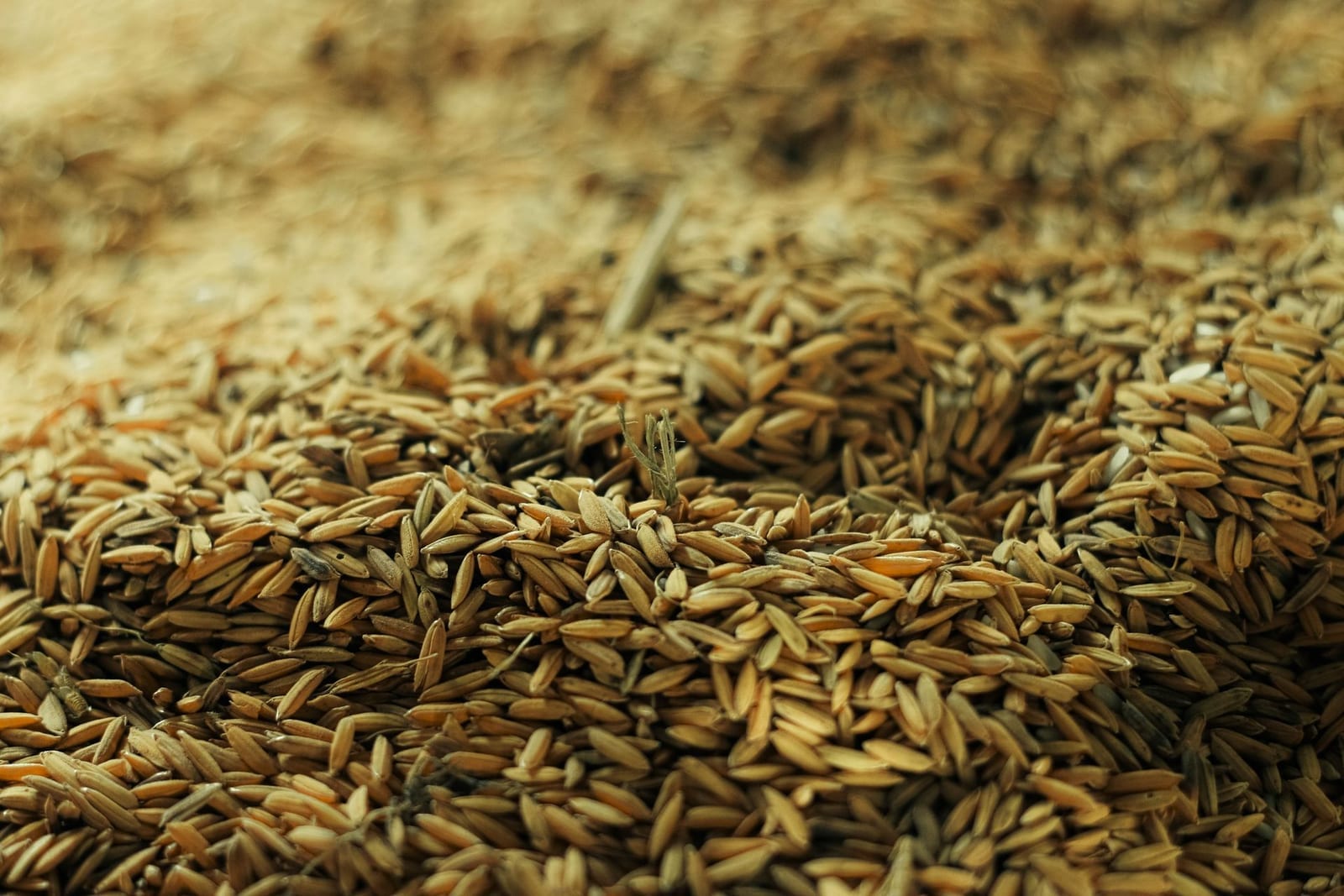
The distinction matters more than importers expect. Technical grade material is the concentrated active ingredient, typically imported for local formulation. Formulated product is the finished article ready for use.
They differ in tariff classification, in the registration position, in packaging and in handling. Treating them as variations of the same import is a reliable source of trouble, because the answer to almost every regulatory question differs between them.
Dangerous goods: the transport dimension
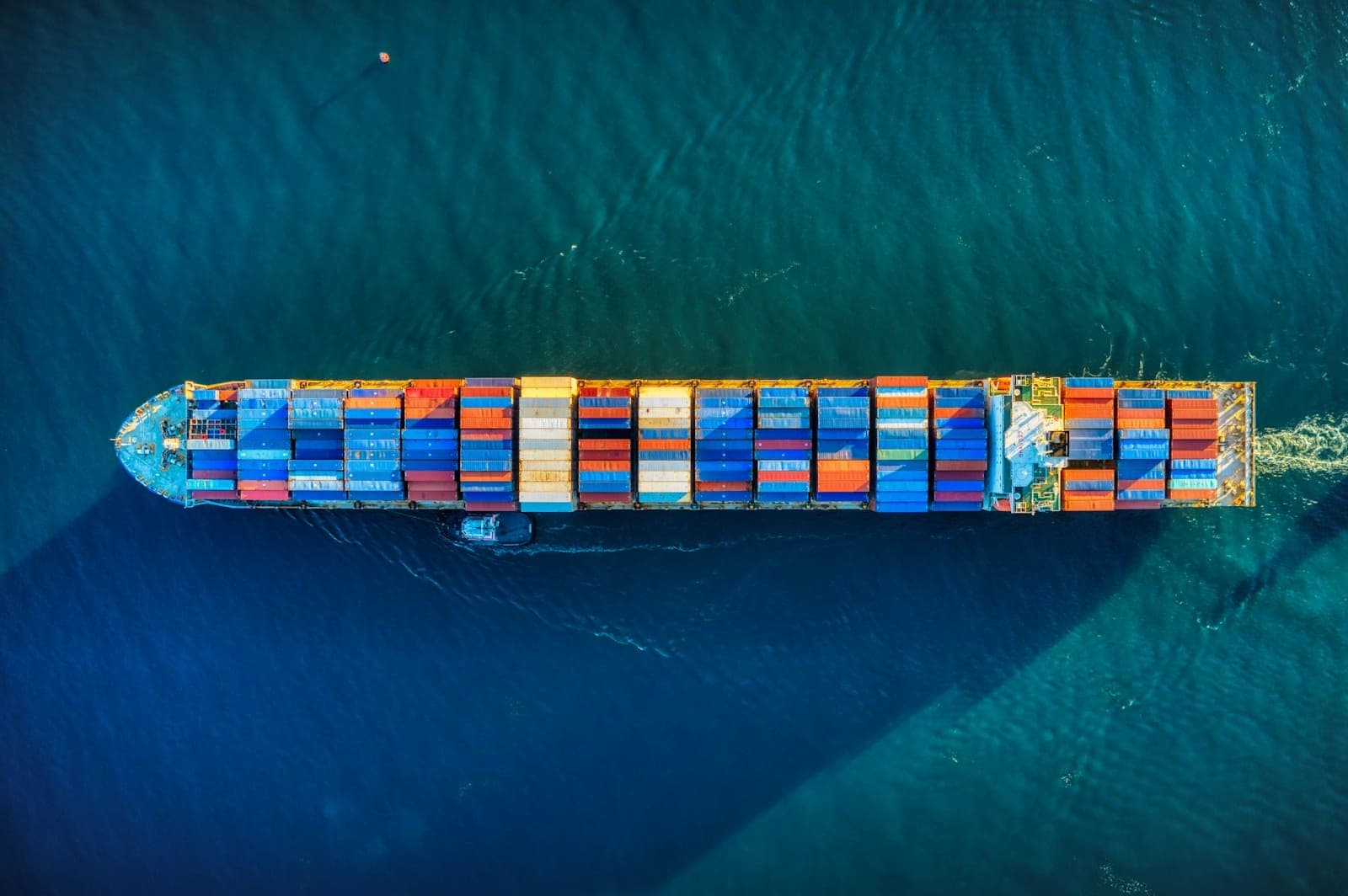
Most agrochemicals are dangerous goods, and how they travel is governed accordingly — the IMDG Code for sea freight and the IATA dangerous goods regulations for air. That framework determines the class and packing group, the packaging specification, the marking and labelling, the documentation and, in some cases, whether the product can move by air at all.
- Correct classification by hazard class and packing group
- UN-specification packaging appropriate to the class and quantity
- Marking and labelling on each package and on the transport unit
- A dangerous goods declaration issued by the shipper
- A safety data sheet accompanying the consignment
- Segregation requirements observed in loading and storage
Misdeclaration is treated seriously across the industry, for good reason: a container whose contents are not what the manifest says is a hazard to everyone handling it. Penalties are significant, carriers refuse repeat offenders, and the consignment does not move in the meantime.
Classification and duty
Agrochemicals classify by function and composition, and the tariff distinguishes between insecticides, herbicides, fungicides and other categories, as well as between preparations put up for retail sale and bulk material. Because the categories carry different treatment, classification is not a formality.
The composition question can also trigger laboratory testing. Where customs samples a consignment to verify what it actually contains, the resulting delay is measured in the time the laboratory takes, and it is not a delay that can be argued down. Accurate declaration and a good technical file are what prevent it becoming routine for your consignments.
Labelling
Agrochemical labelling is a regulatory requirement rather than a marketing decision, covering the active ingredient, concentration, use directions, precautions and other prescribed information. Non-compliant labelling is a common hold reason and a frustrating one, because the product itself is fine and the fix requires relabelling under supervision.
Confirm the current labelling requirements before the supplier prints, not after the goods arrive. Relabelling an imported consignment is expensive, slow, and sometimes not permitted at all.
Restricted and banned products
Some agrochemicals are banned outright and others restricted, reflecting both domestic policy and Pakistan's obligations under international conventions on hazardous chemicals. These lists change.
Storage after clearance
Clearance is not the end of the compliance obligation. Agrochemicals require appropriate storage: segregated from foodstuffs and incompatible materials, secured, ventilated, and with spill containment. Warehouses that handle general cargo are frequently not suitable, and discovering that on the day of delivery is a poor time to find out.
Getting it right
- Confirm registration status of the exact formulation before ordering
- Establish whether you are importing technical grade or formulated product, and treat them differently
- Verify the active ingredient is not restricted or banned in its current position
- Agree labelling requirements with the supplier before printing
- Ensure dangerous goods classification, packaging and declarations are correct at origin
- Arrange compliant storage before the consignment is released
Managing an ongoing compliance position
Agrochemical importing is not a series of independent transactions; it is a licensing position that has to be maintained. Registrations have validity periods and renewal requirements, and a registration allowed to lapse means the product cannot be imported until it is restored, regardless of orders already placed.
The practical answer is a compliance calendar covering every product in the portfolio: registration status, expiry date, renewal lead time, and the person responsible. Reviewed quarterly, it converts a recurring emergency into an administrative routine. Importers with more than a handful of registered products almost always find, on first building this, that something is closer to expiry than they thought.
Regulatory change is the other standing risk. Active ingredients move onto restricted lists, labelling requirements are updated, and international conventions add obligations. None of this is announced to individual importers, so someone in the business needs to be watching for it — and the cost of not doing so is a consignment purchased against a position that no longer exists.
None of this is exotic. Registration status, restricted-list position, labelling, dangerous goods classification and storage are five checks that can be completed before an order is placed, and together they remove almost every way an agrochemical consignment goes wrong. The importers who struggle are rarely the ones who found the rules difficult; they are the ones who found out what the rules were after committing to the purchase.
ASC Freight handles agrochemical clearance through its pesticides and agrochemicals desk, including dangerous goods documentation, and coordinates onward movement for the chemicals sector.
- pesticides
- agrochemicals
- registration
- regulated imports