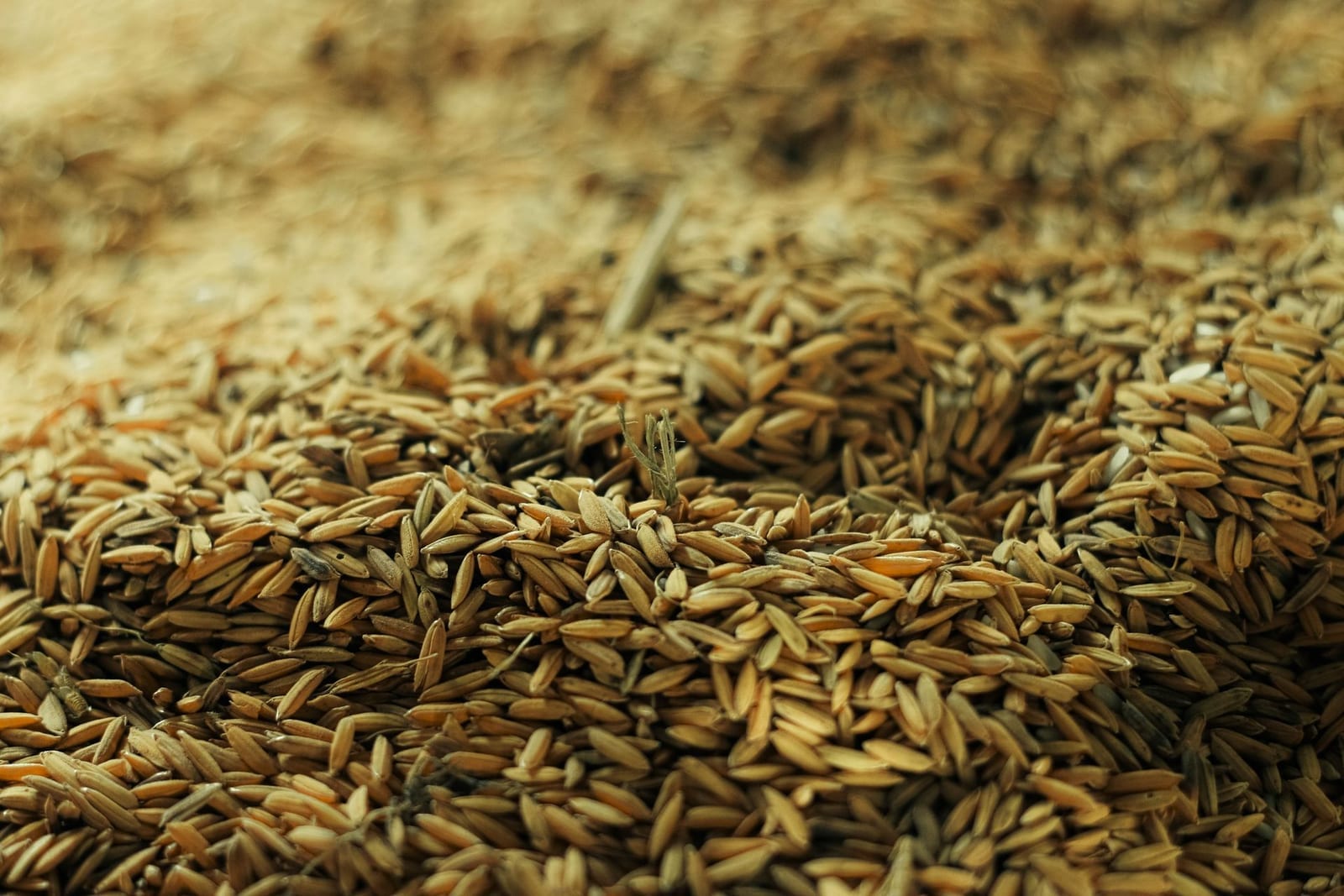
Seed is a living commodity, and Pakistan treats it accordingly. A seed consignment is not simply goods to be classified and taxed; it is a potential pathway for pests and diseases into the country's agriculture, which is why it faces a permit regime, a certification requirement from the exporting country and a physical inspection on arrival. Getting any of those wrong can result in treatment, re-export or destruction rather than a delay.
The framework
Plant quarantine in Pakistan operates under the Pakistan Plant Quarantine Act and its associated rules, with the Department of Plant Protection acting as the national plant protection organisation for the purposes of the International Plant Protection Convention and the WTO agreement on sanitary and phytosanitary measures.
Institutional arrangements in this area have been changing: the National Agri-trade and Food Safety Authority was established in 2025 to oversee food safety and agricultural trade, with the Department of Plant Protection among its preceding agencies. Importers should confirm which body is currently administering permits and inspections rather than assuming continuity.
The import permit
The controlling document is the import permit, and it must exist before the goods are shipped. It is commodity-specific and country-specific, because the phytosanitary conditions attached to it are derived from a pest risk analysis for that commodity from that origin. A permit for the same seed from a different country is not a substitute.
The permit sets out the conditions the consignment must meet. Those conditions are then what the exporting country's plant protection organisation certifies against, which is why the sequence matters: permit first, then certification, then shipment.
The phytosanitary certificate
Issued by the plant protection authority of the exporting country, the phytosanitary certificate declares that the consignment has been inspected and meets the importing country's stated requirements. It is not a commercial document and your supplier cannot produce it themselves.
The most common failure is a certificate that does not address the specific additional declarations the Pakistani permit requires. A generic certificate stating that the consignment is free from pests may be insufficient where the permit demands a declaration about a named organism or a particular treatment. Send the permit conditions to your supplier so their authority certifies against the right requirements.
Inspection on arrival
Consignments are inspected at the port of entry against the conditions in the permit. The inspector has several possible outcomes available, and only one of them is straightforward release.
- Release — the consignment meets its conditions and proceeds to customs clearance
- Treatment — fumigation or another prescribed treatment is applied before release, at cost and with delay
- Re-export — the consignment is returned to origin
- Destruction — where neither treatment nor return is appropriate
Because treatment and rejection are real possibilities, the commercial exposure on a seed consignment is larger than its freight cost. This is an argument for spending time on the documentation rather than economising on it.
Sowing seed or grain?
One classification distinction drives both duty and quarantine treatment: whether the material is intended for sowing or for consumption or processing. The same botanical product can sit in different tariff positions depending on intended use, with different rates and different conditions.
Declare the intended use accurately. A consignment declared as one and evidently the other creates a problem that is difficult to resolve after arrival, and the distinction is visible to an experienced inspector.
Timing around the sowing season
Seed has a deadline that most cargo does not. A consignment that clears three weeks late has not merely been delayed; it may have missed the sowing window entirely, which converts a logistics problem into a lost season for the buyer.
Working backwards from the sowing date through delivery, clearance, inspection, transit and permit processing usually shows that the order needed placing earlier than intuition suggests. Building that calendar once, for each crop cycle you serve, prevents the annual scramble.
Storage and viability
Germination rate is the product. Seed exposed to heat and humidity while sitting at a terminal loses value in a way that is not visible on inspection and may only appear when the farmer's field fails to establish. Port dwell time is therefore a quality issue for seed, not only a cost issue.
Where seed must wait, it should wait in appropriate conditions rather than in a yard. Planning storage before arrival, and moving quickly once released, protects the thing the buyer is actually paying for.
Working with the exporting country's authority
The phytosanitary certificate is issued by the exporting country's plant protection organisation, and Pakistani importers have no direct relationship with that body. Everything therefore runs through the supplier, which makes the quality of that relationship a genuine risk factor rather than a commercial nicety.
What works in practice is giving the supplier the permit conditions in full, in writing, early enough for their authority to certify against them. Suppliers who export to many markets will not know Pakistan's specific additional declarations unless told, and a certificate issued against generic requirements is the single most common documentary failure in seed importing.
It is also worth understanding that inspection and certification at origin take time and are scheduled around the exporting authority's capacity. A supplier who is asked for a phytosanitary certificate two days before shipment may simply not be able to obtain one, and the consignment either travels without it — which is not viable — or misses its booking. Building the certification lead time into the purchase schedule prevents the choice from arising.
Seed importing is unforgiving in a way that most cargo is not, because the two things that can go wrong — a rejected consignment and a missed sowing window — are both unrecoverable. Neither is caused by anything complicated. Both are prevented by obtaining the permit first, passing its conditions to the supplier in full, and working the calendar backwards from the sowing date rather than forwards from the purchase order.
ASC Freight handles seed and plant material clearance through its seeds desk, coordinating the quarantine process alongside customs clearance and onward delivery to the agriculture sector.
- seed imports
- plant quarantine
- DPP
- agriculture
- import permits