Air freight is faster and costs more. That much is obvious, and it is also where most mode decisions stop — which is why so many of them are wrong. The real comparison is not freight rate against freight rate; it is total cost of ownership against total cost of ownership, and on some cargo air wins that comparison outright.
How each mode is priced
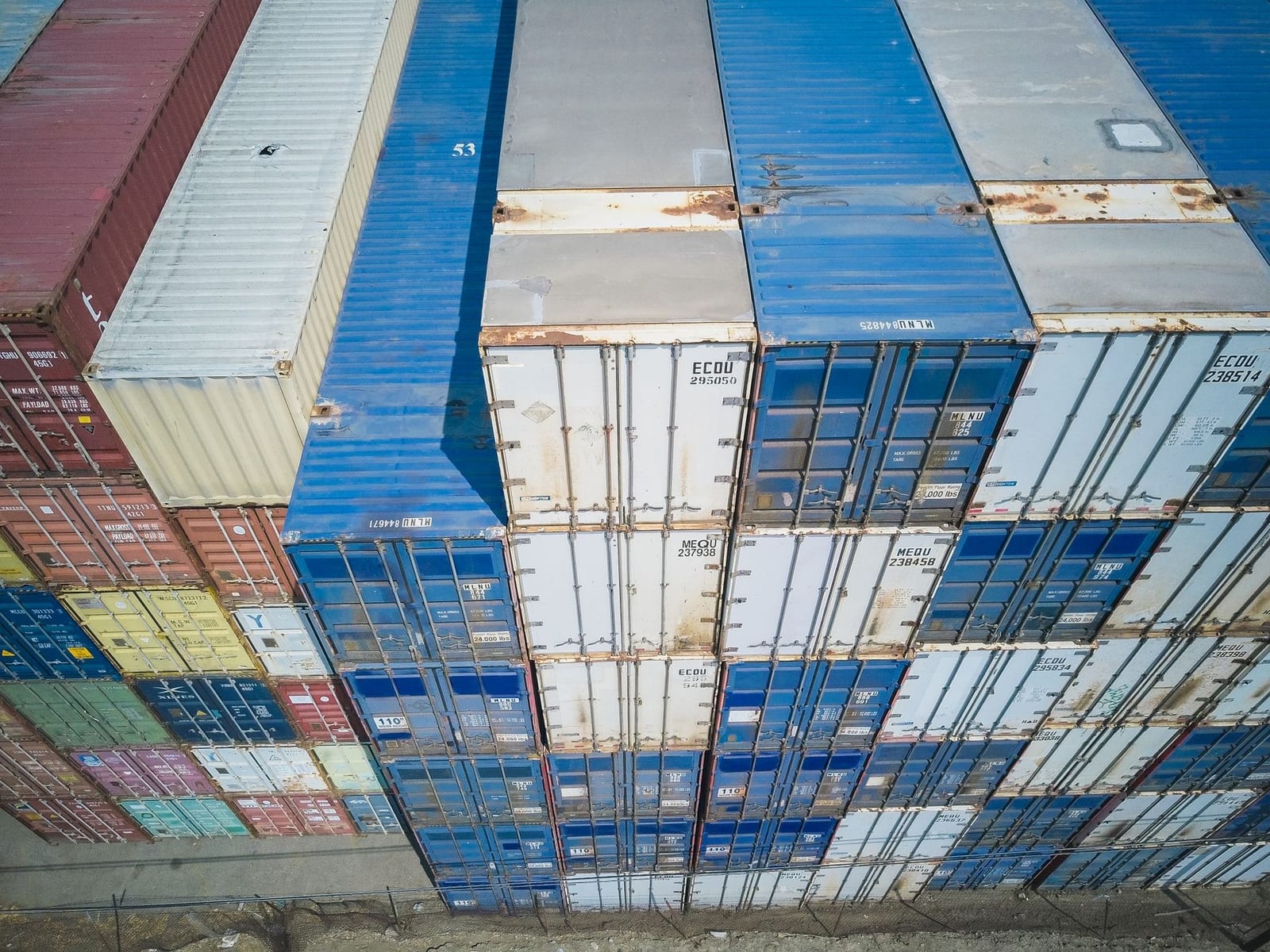
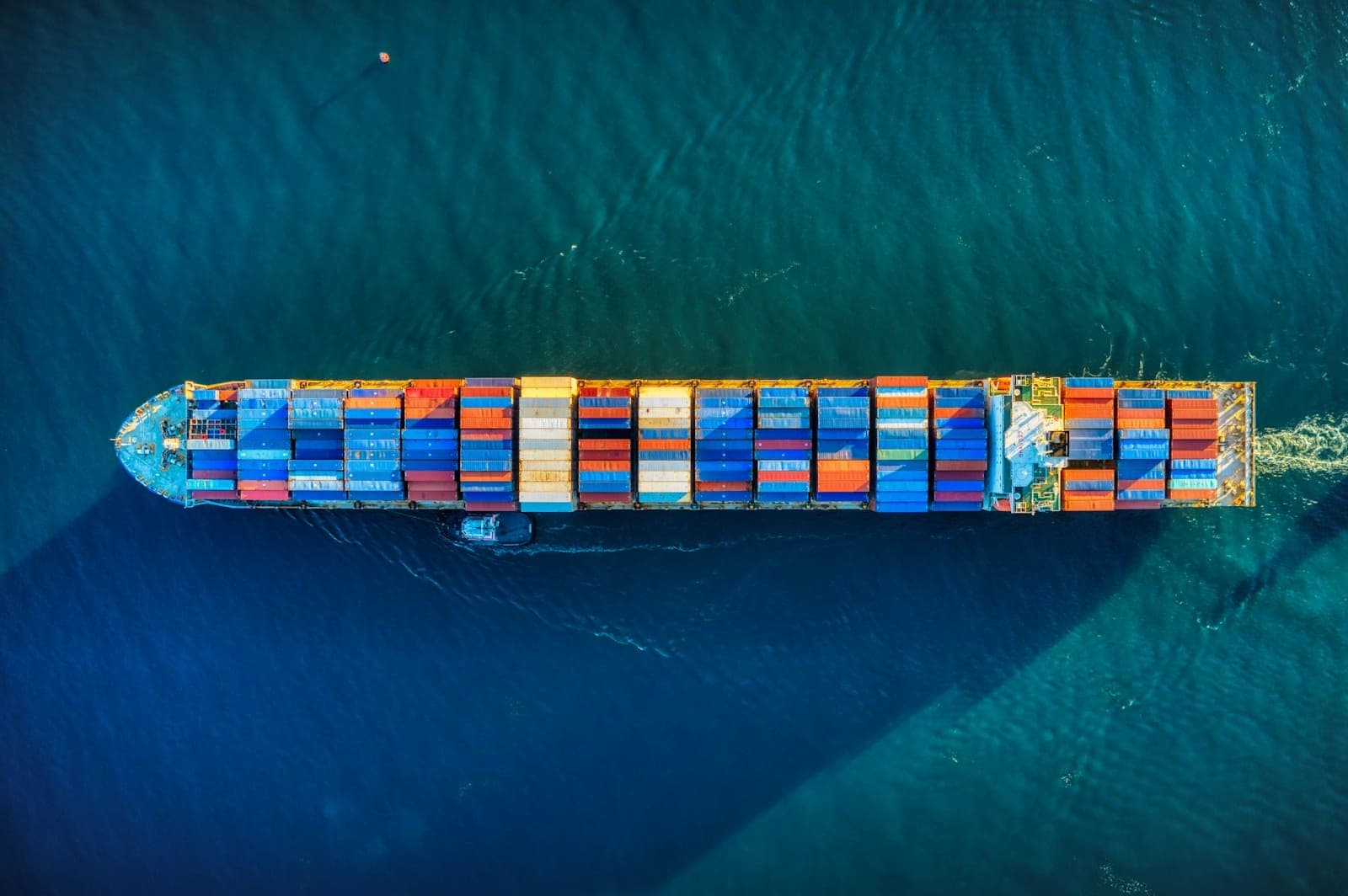
Sea freight is priced by container for FCL, or by volume and weight for LCL. The dominant variable is space.
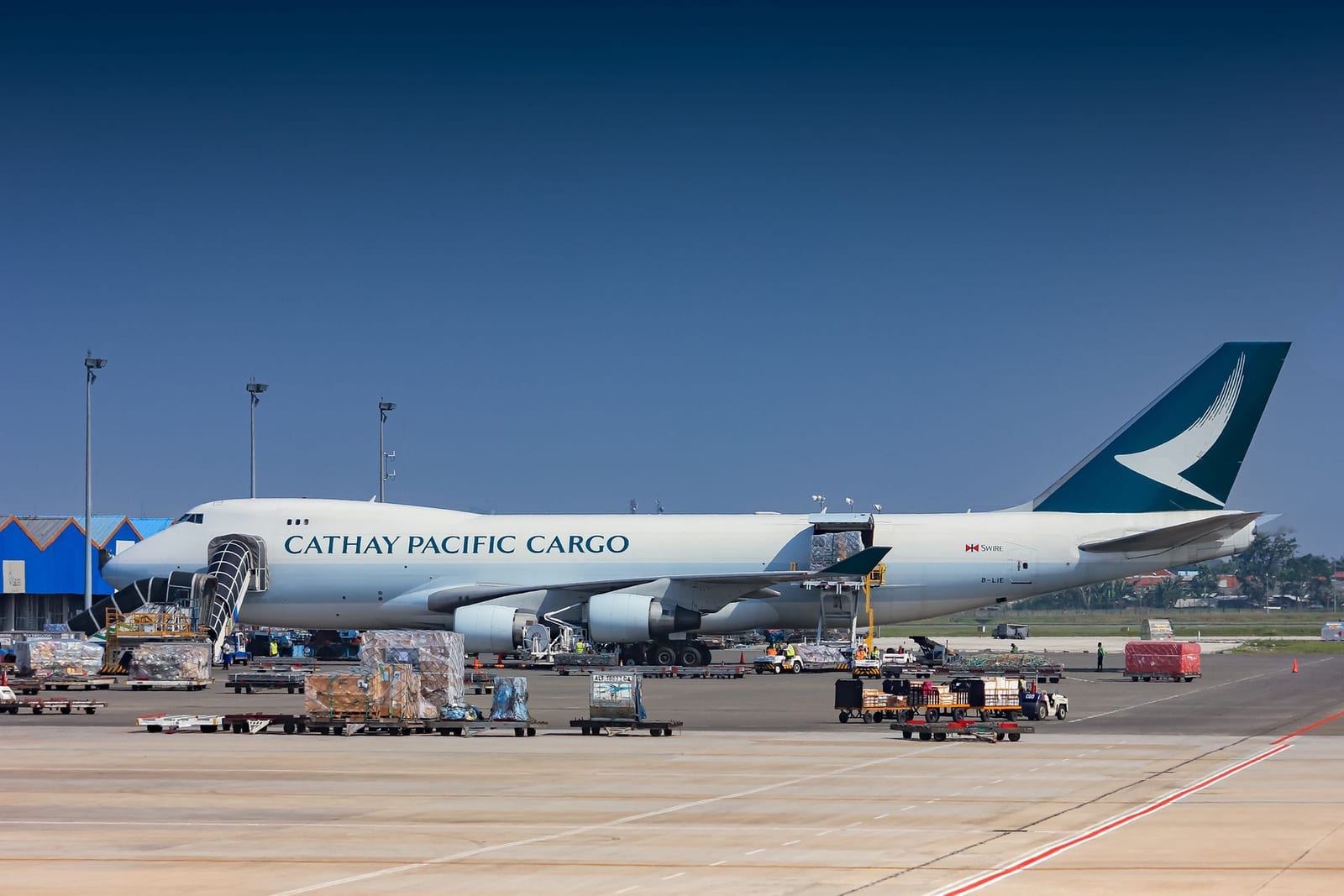
Air freight is priced on chargeable weight, which is the greater of actual weight and volumetric weight — a calculated figure derived from the dimensions. Light, bulky cargo is therefore charged on the space it occupies rather than what it weighs, and importers who quote only actual weight routinely receive an invoice far above their estimate.
The cost air freight removes
Freight is only one line in the cost of moving goods. Faster transit reduces several others, and on the right cargo those reductions exceed the rate difference.
- Inventory carrying cost — capital tied up in goods in transit for five weeks rather than five days
- Safety stock — a shorter, more reliable lead time requires a smaller buffer to protect the same service level
- Obsolescence and markdown — critical for fashion, electronics and anything with a short commercial life
- Cash conversion — payment terms often run from shipment, so shorter transit brings revenue forward
- Failure cost — a production line stopped for want of a component costs vastly more per day than the airfreight that would prevent it
The last one is the decisive case. When a factory is down, the comparison is not air versus sea; it is air versus lost output, and the arithmetic is rarely close.
When sea freight is clearly right
For high-volume, low-value-density goods with predictable demand, sea freight is not merely cheaper — it is the only economically sensible option. Raw materials, bulk commodities, furniture, standard retail stock replenished on a known cycle: the value per kilogram is too low for air to make sense, and the lead time is manageable because demand is forecastable.
Sea is also the answer for cargo that air simply will not take, or takes only under restrictive conditions: many dangerous goods classes, oversized pieces, and anything where the volume would require multiple aircraft.
When air freight is clearly right
- Urgent replacements and spare parts where downtime is the real cost
- High value-density goods — electronics, precision instruments, pharmaceuticals — where freight is a small share of unit value
- Short-shelf-life products where transit time consumes saleable life
- Temperature-sensitive cargo where a five-week exposure is a risk in itself
- Samples, launch stock and anything tied to a fixed date
- Season-end replenishment where the alternative is missing the season entirely
The comparison most importers should run
Rather than comparing rates, compare landed cost per unit plus the cost of the time. Take the freight difference and divide it across the units in the shipment. Then estimate what the extra weeks cost you in capital, buffer stock and risk. For a container of low-value goods the freight difference per unit is large and the time cost is small, so sea wins easily. For a pallet of high-value goods the freight difference per unit is small and the time cost is significant, and the answer often flips.
Run that calculation once for each product family and you will not need to re-argue it every shipment.
The hybrid strategy
The most effective approach for many importers is not to choose. Base stock moves by sea on a planned cycle, while urgent replenishment, new lines and shortfalls move by air. This gives the cost structure of sea freight for the bulk of volume and the responsiveness of air where it earns its price.
It works best when it is a deliberate policy with agreed triggers rather than a series of panicked exceptions — because unplanned air freight, booked at short notice on whatever capacity is available, is the most expensive way to buy it.
Practical points on transit time
Compare door to door, not port to port. Air freight's advantage is smaller than the flight time suggests once acceptance deadlines, security screening, customs clearance and onward delivery are included. Sea freight's disadvantage is larger than the sailing time suggests once terminal time and inland transport are added. Both distortions push in the same direction: the honest comparison is always end to end.
Reliability, not just speed
Speed and reliability are different properties, and for planning purposes reliability often matters more. A mode that takes thirty days every time is easier to run a business on than one that takes twenty days on average but occasionally forty. Variance is what forces you to hold buffer stock, and buffer stock is capital.
Air freight is generally more reliable as well as faster, because the schedule is shorter and there are fewer points at which a delay can compound. Sea freight has more exposure — port congestion, vessel bunching, transhipment connections, and terminal capacity at both ends — and those risks are not evenly distributed across the year.
This is why the honest comparison uses a realistic sea transit rather than the best case. If your planning assumes the quickest sailing you have ever had, you will be surprised regularly, and the buffer stock you hold to absorb those surprises belongs in the cost of the mode.
What each mode will not carry
Some cargo does not have a free choice. Dangerous goods classifications restrict what can move by air, and several categories that ship routinely by sea are either prohibited in aircraft or permitted only in limited quantities under strict packing rules. Lithium batteries are the most common example importers encounter, and the rules differ depending on whether the cells travel alone or installed in equipment.
Size is the other constraint. Aircraft hold dimensions and door apertures impose limits well below what a container will take, and anything genuinely oversized moves by sea as break-bulk or project cargo. Where a consignment is both urgent and oversized, the answer is usually a charter rather than a scheduled service.
ASC Freight arranges both air freight and sea freight, and will price a consignment both ways where the choice is genuinely open.
- air freight
- sea freight
- mode choice
- supply chain