The choice between a full container and a shared one looks like a simple volume question and is not. FCL and LCL differ in cost structure, transit time, handling risk and clearance behaviour, and the break-even between them moves with freight rates, cargo characteristics and how much your time is worth. This article sets out how to make the decision properly.
What each actually means
FCL — Full Container Load — means you book a whole container. It does not mean the container is full. You are buying exclusive use of the box, and whether you fill it is your business.
LCL — Less than Container Load — means your cargo shares a container with other shippers' consignments. A consolidator collects the shipments, loads them together, and deconsolidates at destination. You pay for the space your cargo occupies rather than for the box.
How each is priced
FCL is priced per container, so the unit cost of your goods falls as you fill it. LCL is priced on volume or weight, whichever yields more revenue — typically per cubic metre with a weight equivalent applied, so dense cargo can be charged on weight even when it occupies little space.
That difference creates the crossover. At low volume LCL is cheaper because you are not paying for empty space. As volume rises, the per-cubic-metre cost of LCL eventually exceeds the flat cost of a container, and FCL wins. Where that point sits depends on current rates, but the practical consequence is constant: there is a middle zone where the two are close, and in that zone the decision should be made on factors other than price.
Handling: the difference that does not appear on the quote
An FCL container is packed once at origin and opened once at destination. An LCL consignment is handled considerably more: received at the consolidation warehouse, loaded with other cargo, unloaded at destination, sorted and released. Every additional handling is an opportunity for damage, and LCL cargo also sits alongside consignments you did not choose and cannot inspect.
For robust, well-packed goods this rarely matters. For fragile items, or anything that would suffer from being loaded under someone else's heavy freight, it matters a great deal. Packaging specification should be stronger for LCL than for FCL as a matter of routine.
Transit time
LCL is slower, and the delay is at both ends rather than at sea. Consolidation waits for enough cargo to make up a container, and deconsolidation at destination requires the whole box to be stripped and sorted before your goods are available. Neither of those is visible in the sailing schedule, which is why LCL frequently takes longer than importers expect from the transit time quoted.
Clearance considerations
An FCL consignment is your container, and its clearance depends only on your documents and your cargo. An LCL container carries multiple consignments with multiple importers, and while each is declared separately, a problem affecting the container as a whole can delay everyone in it.
That risk is modest but real, and it argues for FCL where timing is genuinely critical. It is also a reason to be precise in your own documentation on LCL shipments: you want to be certain that any hold affecting the box is not yours.
Choosing between them
- Small, occasional shipments with flexible timing: LCL is usually right
- Regular volume, or cargo approaching container-filling quantities: FCL, and the fuller you fill it the better the unit cost
- Fragile, high-value or awkwardly shaped cargo: favour FCL regardless of volume
- Time-critical cargo: favour FCL, because consolidation and deconsolidation add unpredictable days
- Dense cargo in small volume: check the weight basis on the LCL quote before assuming it is cheap
- Testing a new supplier or product: LCL keeps the commitment small while you verify quality
The middle option importers forget
Where you regularly buy from several suppliers in the same origin market, buyer's consolidation is frequently better than either. Instead of shipping three LCL consignments, the goods are collected into one container at origin and shipped FCL. You get container economics and single-handling on cargo that would otherwise have travelled as three separate shared shipments.
It requires coordination at origin, which is exactly what an overseas partner network exists to provide, and for importers buying repeatedly from one region it is often the largest single freight saving available.
Container sizes and how much they actually hold
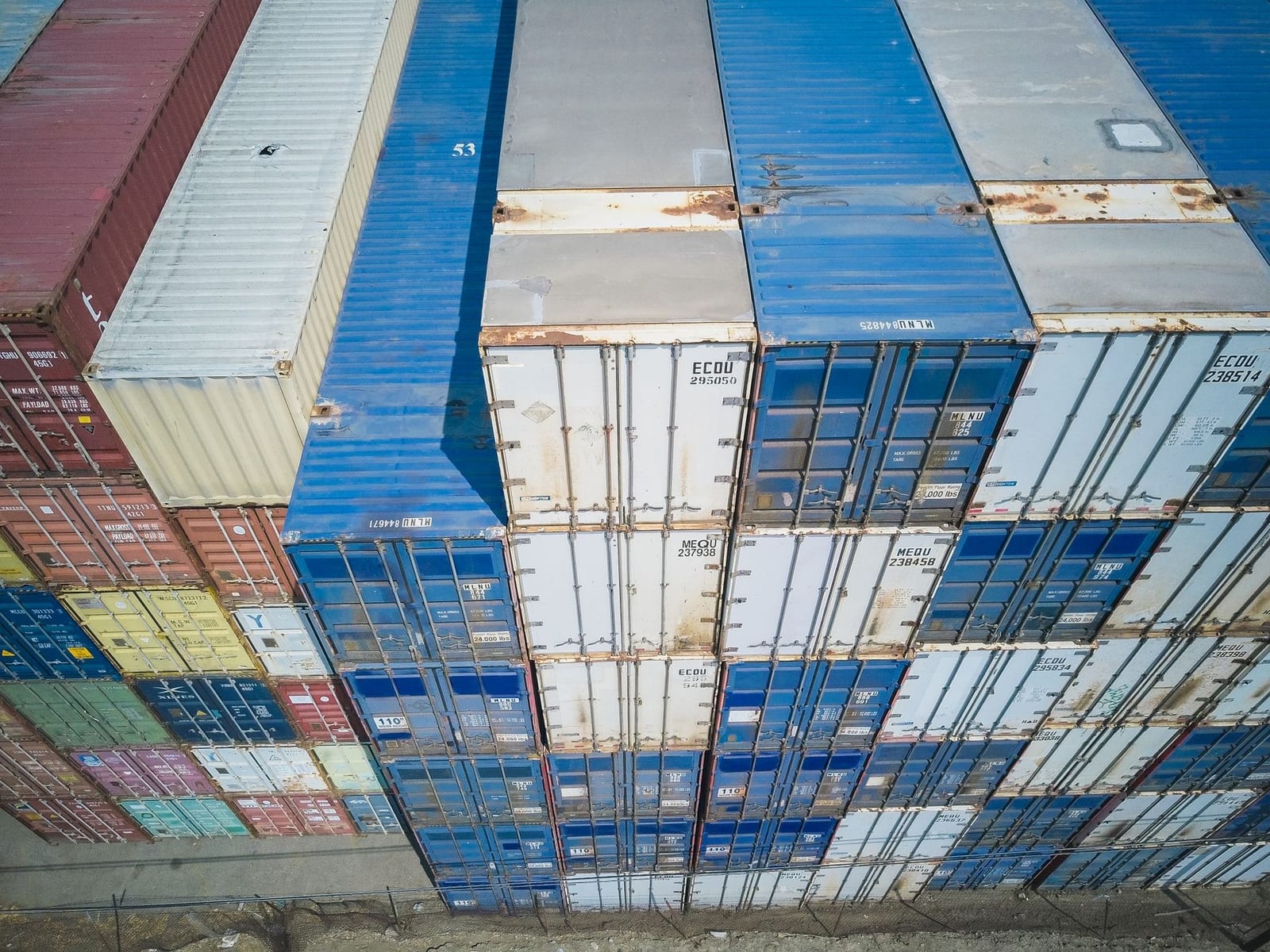
Once FCL is the answer, the next question is which box. The standard options are a twenty-foot container, a forty-foot container and a forty-foot high cube, which adds roughly a foot of internal height over the standard forty.
The intuition that a forty-foot box costs twice a twenty-foot box is wrong: the freight difference is usually far less than double, which means that once your volume passes the twenty-foot mark, moving up is often cheaper per unit than shipping two smaller boxes. For light, bulky cargo the high cube is frequently the best value of the three, because the constraint is volume rather than weight.
Weight limits are the counterweight. Every container has a maximum payload, and road regulations at destination may impose a lower practical limit than the box itself allows. Dense cargo — tiles, machinery parts, liquids in drums — routinely reaches the weight ceiling with the container half empty, which is why loading plans should be checked against both volume and weight rather than eyeballed.
Getting the declaration right
One requirement catches out first-time FCL shippers: the verified gross mass of a packed container must be declared before it can be loaded, under international shipping safety rules. The responsibility sits with the shipper, and a missing or late declaration means the box does not sail.
For importers buying on terms where the supplier ships, this is the supplier's obligation — but it becomes your problem when the container rolls to the next vessel. It is worth confirming as part of the booking rather than assuming.
ASC Freight arranges FCL, LCL and consolidated shipments through its sea freight service and coordinates the clearance and delivery that follow through freight forwarding.
- FCL
- LCL
- sea freight
- consolidation
- shipping