
Incoterms are eleven three-letter rules published by the International Chamber of Commerce that answer a narrow but critical set of questions: who arranges transport, who pays for which leg, who clears customs at each end, and — the one most often misunderstood — at exactly which point the risk of loss or damage passes from seller to buyer. The current edition is Incoterms 2020.
For Pakistani importers and exporters the rule chosen at contract stage determines who controls the freight, whose insurance responds to a loss, and where an unexpected cost lands. This guide covers the eleven rules, the distinctions that matter commercially, and the choices that consistently work out badly.
The single most important idea
Cost and risk do not always transfer at the same place. This is the source of most Incoterms confusion and most Incoterms disputes.
Under CIF, for example, the seller pays the ocean freight to the destination port and arranges insurance — but risk passes to the buyer when the goods are loaded on board at origin. If the cargo is damaged mid-ocean, the seller has paid for the voyage and the buyer owns the loss. Understanding that separation is worth more than memorising all eleven rules.
The eleven rules, grouped
The rules fall into four groups by increasing seller responsibility. Seven work for any mode of transport; four are for sea and inland waterway only.
- Group E — EXW (Ex Works): minimum seller obligation. The buyer collects from the seller's premises and handles everything, including export clearance.
- Group F — FCA, FAS, FOB: the seller delivers to a point at origin; the buyer arranges and pays the main carriage.
- Group C — CFR, CIF, CPT, CIP: the seller pays the main carriage to destination, but risk still passes at origin.
- Group D — DAP, DPU, DDP: the seller delivers at destination and bears risk all the way there.
The sea-only rules are FAS, FOB, CFR and CIF. The any-mode rules are EXW, FCA, CPT, CIP, DAP, DPU and DDP.
FOB and CIF: the two Pakistani importers use most
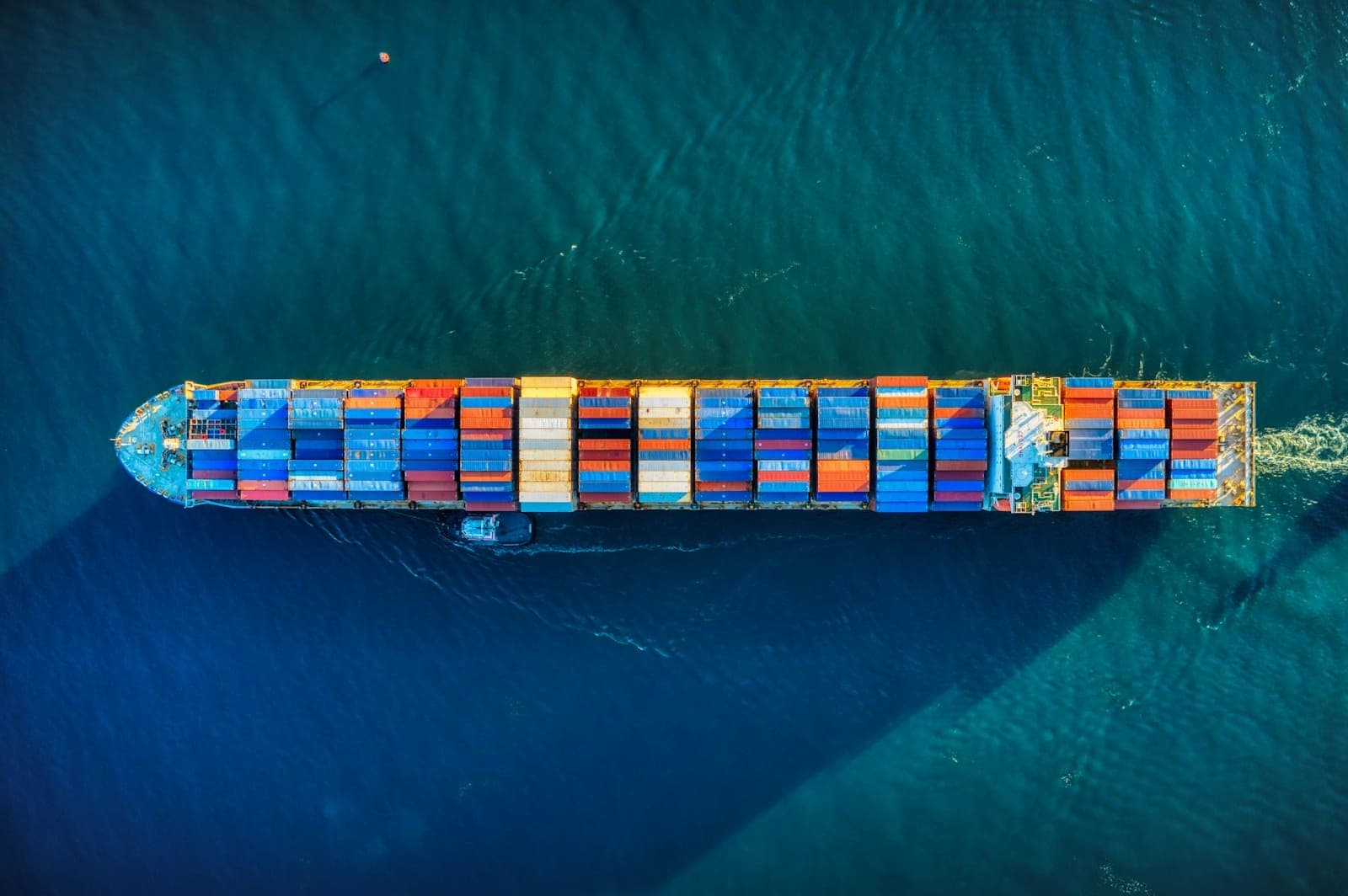
Under FOB the seller bears cost and risk until the goods are loaded on board the vessel at the origin port; the buyer arranges and pays the ocean freight and everything after. Under CIF the risk transfer point is identical, but the seller additionally pays the freight and arranges insurance to the named destination port.
The commercial difference is control. Buying FOB means you choose the carrier, negotiate the rate and know exactly what the freight costs. Buying CIF means the freight is bundled into the price, which is convenient but opaque — and the seller has no incentive to buy you the best service, only an acceptable one. Importers with any regular volume generally do better on FOB, because freight becomes a cost they can manage rather than a number inside someone else's invoice.
The insurance point is also worth knowing: CIF obliges the seller to provide only minimum cover. If your cargo warrants broader protection, arranging your own cargo insurance is usually the better answer than assuming the seller's policy is adequate.
Why FCA is recommended for containers
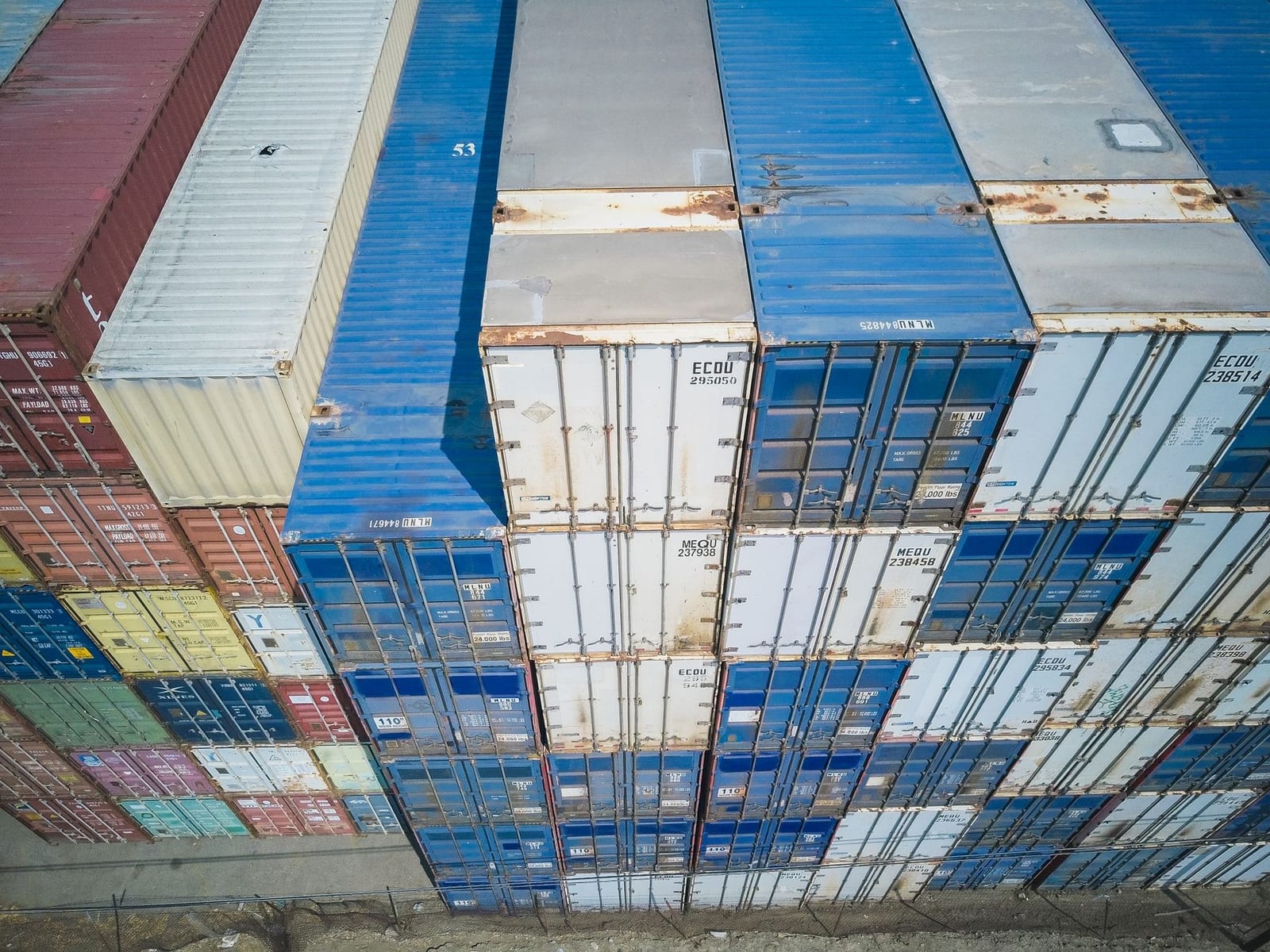
FOB was written for an era when goods were loaded over a ship's rail. Containerised cargo is not: it is handed to the carrier at a terminal or depot, often days before loading, and the seller loses physical control at that handover rather than at the vessel.
The ICC therefore recommends FCA for container shipments, because it places delivery — and risk transfer — at the realistic point where control actually changes hands. Using FOB for containers leaves an awkward gap where the seller still bears risk over cargo it no longer holds. It is extremely common, and it only becomes a problem when something goes wrong in that window.
DDP: attractive, and usually a mistake
Under DDP the seller delivers to your door with duty paid, which sounds like the buyer's ideal. In practice it has three problems for Pakistani importers.
- The seller prices in a generous allowance for clearance risk it cannot control, so the landed cost is rarely competitive
- Import clearance is legally the importer's business, and a foreign seller filing in your name creates compliance exposure that sits with you
- You lose visibility of duty, classification and valuation — the three things that determine whether your landed cost is correct and defensible
Where a supplier pushes DDP hard, it is usually worth pricing the alternative and comparing. The gap is often larger than expected.
Choosing the right rule
- Buying regularly and want freight cost control: FCA for containers, FOB where the sea-only rule genuinely fits
- Buying occasionally, small volume, no freight relationship: a C-rule can be reasonable for simplicity
- Want the goods delivered inland without handling transport: DAP, keeping import clearance in your own hands
- Selling as an exporter and want to control the export leg only: FCA or FOB
- Anything where you want broad insurance: arrange your own rather than relying on a C-rule minimum
Getting it right on paper
State the rule, the named place and the edition together — for example FCA Karachi, Incoterms 2020. A rule without a named place is ambiguous, and a rule without an edition invites argument about which version applies. Make sure the term on the purchase order, the invoice and the freight booking all say the same thing; a contract that says FOB while the freight is prepaid by the seller is a dispute waiting to be discovered.
Finally, remember what Incoterms do not do. They do not transfer title, they do not specify payment terms, and they do not override the sales contract. They allocate cost and risk in transport, and nothing else.
If you take one habit from this guide, make it this: read the delivery term on every purchase order before you sign it, and check that your freight arrangement matches what it says. The mismatch between the two is where the arguments start.
ASC Freight advises on the practical consequences of delivery terms as part of freight forwarding, and handles the import clearance that follows from them through customs clearance.
- Incoterms
- FOB
- CIF
- EXW
- trade terms