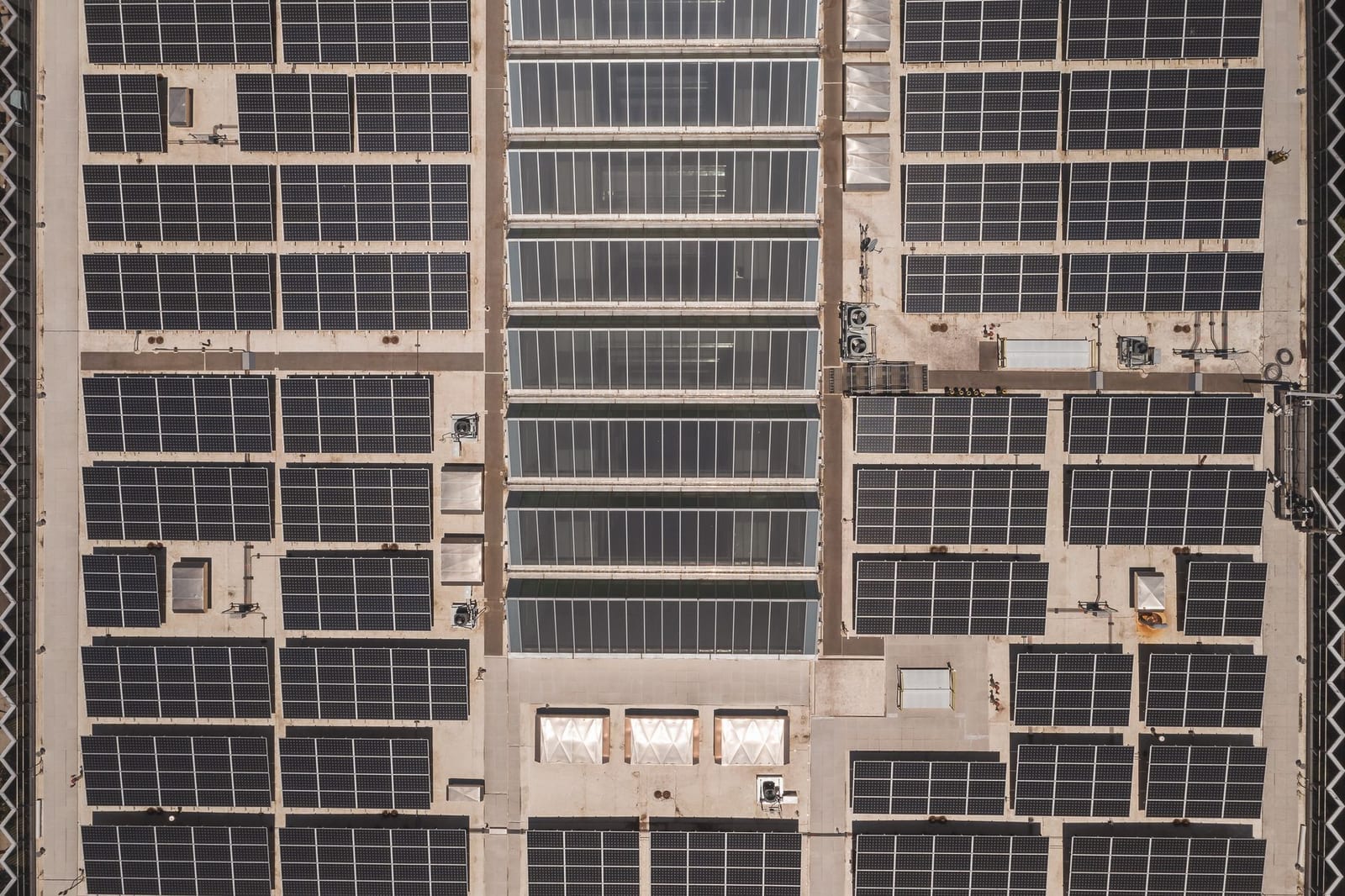
Pakistan has become one of the world's larger importers of solar equipment, driven by grid reliability, tariff economics and the falling cost of Chinese modules. That volume has made solar importing routine, but it has not made it simple: duty treatment in this category has changed repeatedly, the cargo is fragile in ways that are invisible on arrival, and a solar project is a bill of materials rather than a single product.
The consignment is not just panels
A working installation needs modules, inverters, mounting structures, cabling, protection equipment and increasingly battery storage. These classify differently, may attract different duty treatment, and carry different handling requirements — batteries in particular bring dangerous goods rules with them.
Importers who plan around the panels and treat the balance of system as an afterthought regularly find that the components holding up commissioning are the cheap ones. Build the classification and compliance position for the whole bill of materials, not for the headline item.
Duty treatment changes
Solar equipment sits in the middle of energy policy, and its tariff and exemption position has shifted more than once as that policy has evolved. Concessions available in one year have been narrowed or withdrawn in another, and the treatment differs across modules, inverters and accessories.
Because the sums involved scale with project size, a duty assumption carried forward from last year's consignment can move a project's economics materially. Confirm before ordering, not after.
Origin and transit
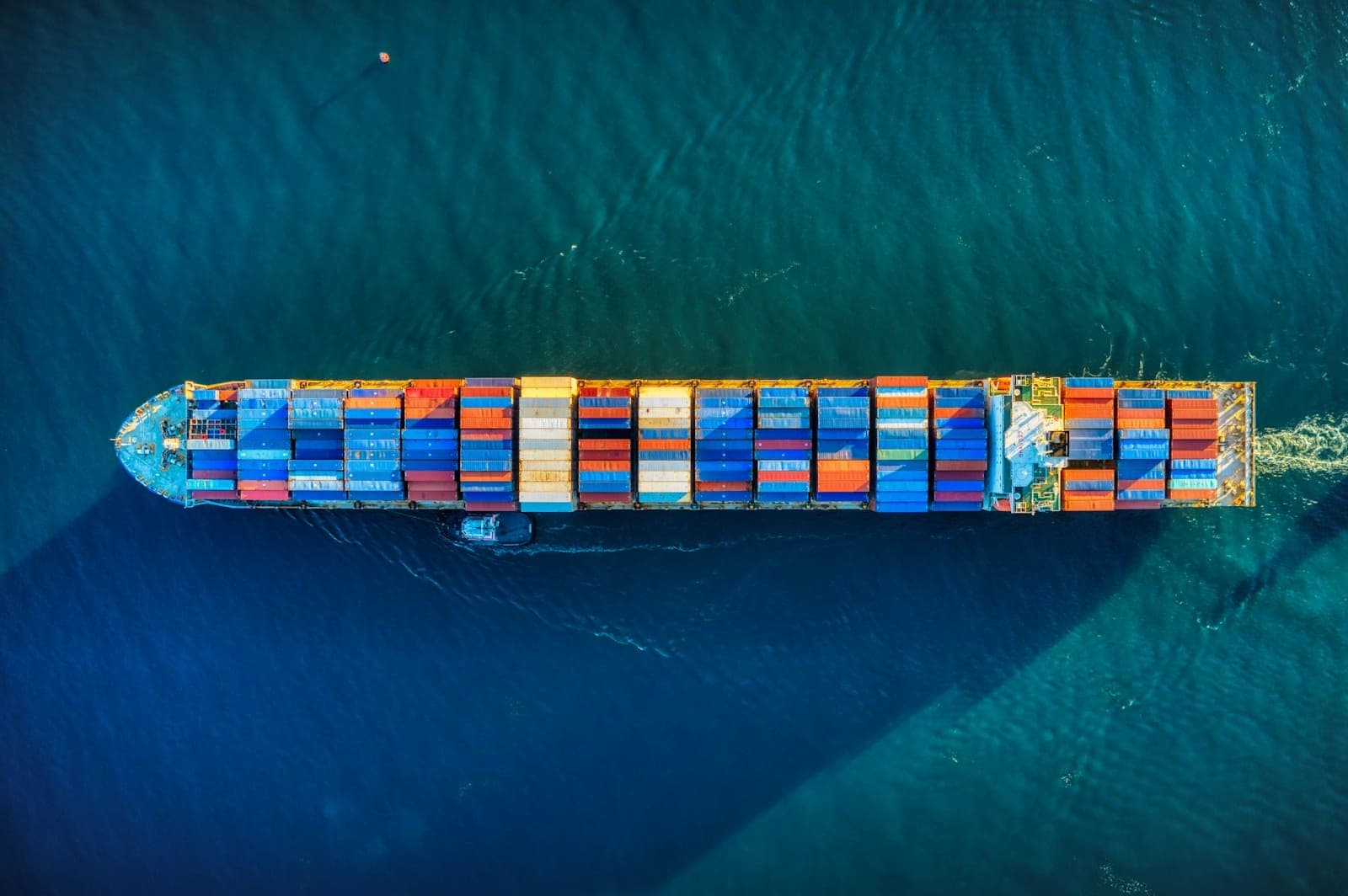
The overwhelming majority of Pakistan's solar equipment comes from China, shipping from the eastern seaboard ports to Karachi or Port Qasim. The lane is well served and reasonably predictable, but it is also heavily used, and capacity tightens when demand peaks.
For project work with a commissioning date, that argues for booking earlier than a spot-market instinct suggests, and for building schedule buffer into the plan rather than assuming the quickest historical transit.
The damage problem nobody sees at delivery
Solar modules are glass laminates, and they are vulnerable to microcracking — fractures in the cells that are invisible to the naked eye and do not necessarily affect the module's appearance at all. A panel can pass a visual inspection at delivery, be installed, and underperform for its entire service life.
Microcracks arise from shock, vibration and poor handling: pallets dropped during loading, inadequate securing in the container, rough road transport, and manual handling on site. Because the damage is invisible, it is also extremely difficult to claim on, since establishing where in the chain it occurred is usually impossible after the fact.
- Specify packaging and palletisation standards with the supplier rather than accepting default
- Require modules to be loaded and secured for a long ocean voyage plus rough inland transport
- Consider pre-shipment inspection, including electroluminescence testing where the value justifies it
- Handle vertically and avoid stacking loose modules on site
- Inspect on arrival with the damage mode in mind, not only for broken glass
Batteries and storage systems
Lithium battery storage introduces a different regulatory dimension. These are dangerous goods, with state-of-charge limits, packaging specifications and documentation requirements, and air transport is restricted. Sea freight is the normal route, and even then the declaration and packing have to be right.
As battery storage becomes a larger share of Pakistani solar installations, this is the part of the bill of materials most likely to surprise an importer who has previously shipped panels alone.
Project logistics
Utility-scale installations are project cargo rather than routine imports. The volume arrives across multiple containers, often on a schedule tied to construction progress, and site delivery may involve access constraints that a standard trailer cannot meet.
Staging is usually the answer: a warehouse near the port receives and holds the equipment, with deliveries released to site against installation progress. That avoids both port storage charges and the alternative problem of expensive equipment sitting in an open field waiting to be installed.
Quality verification
Module quality varies more than specification sheets suggest, and the gap between nameplate and actual output is a commercial risk borne entirely by the buyer. Where the order is significant, pre-shipment inspection with flash test data provides evidence of what was actually shipped, which is worth having both for quality assurance and for any subsequent warranty conversation.
Warranty, replacement and the long tail
Solar equipment carries long warranties, and warranty claims create a logistics requirement most importers do not plan for. A failed module or inverter has to be identified, the claim substantiated with the supplier, a replacement shipped in, and in some cases the failed unit returned to origin for examination.
Replacement shipments are typically small, urgent and awkward: a handful of modules or a single inverter, needed to complete or restore an installation. They are poor candidates for sea freight on timing and expensive by air on volume, and they arrive as fresh imports requiring their own clearance regardless of the fact that they replace goods already imported.
Two habits reduce the friction. Order a small percentage of spares with the original consignment, so the first failures are covered from stock rather than from a fresh import cycle — for a large project this is almost always cheaper than the alternative. And keep the original import documentation, serial records and any inspection data with the project file, because a warranty conversation with a manufacturer several years later depends on being able to prove what was supplied, when, and to what specification.
The through-line in solar importing is that the risks sit outside the freight rate. Duty treatment that has changed since your last shipment, damage that will not be visible until the array underperforms, batteries that carry rules panels do not, and a commissioning date that a single delayed container can miss. None of these show up when comparing quotations, and all of them are manageable if they are considered before the order rather than after the vessel sails.
ASC Freight clears solar equipment and coordinates project deliveries through sea freight and customs clearance, supporting the solar and renewable energy sector with staging and site delivery.
- solar imports
- renewable energy
- inverters
- classification